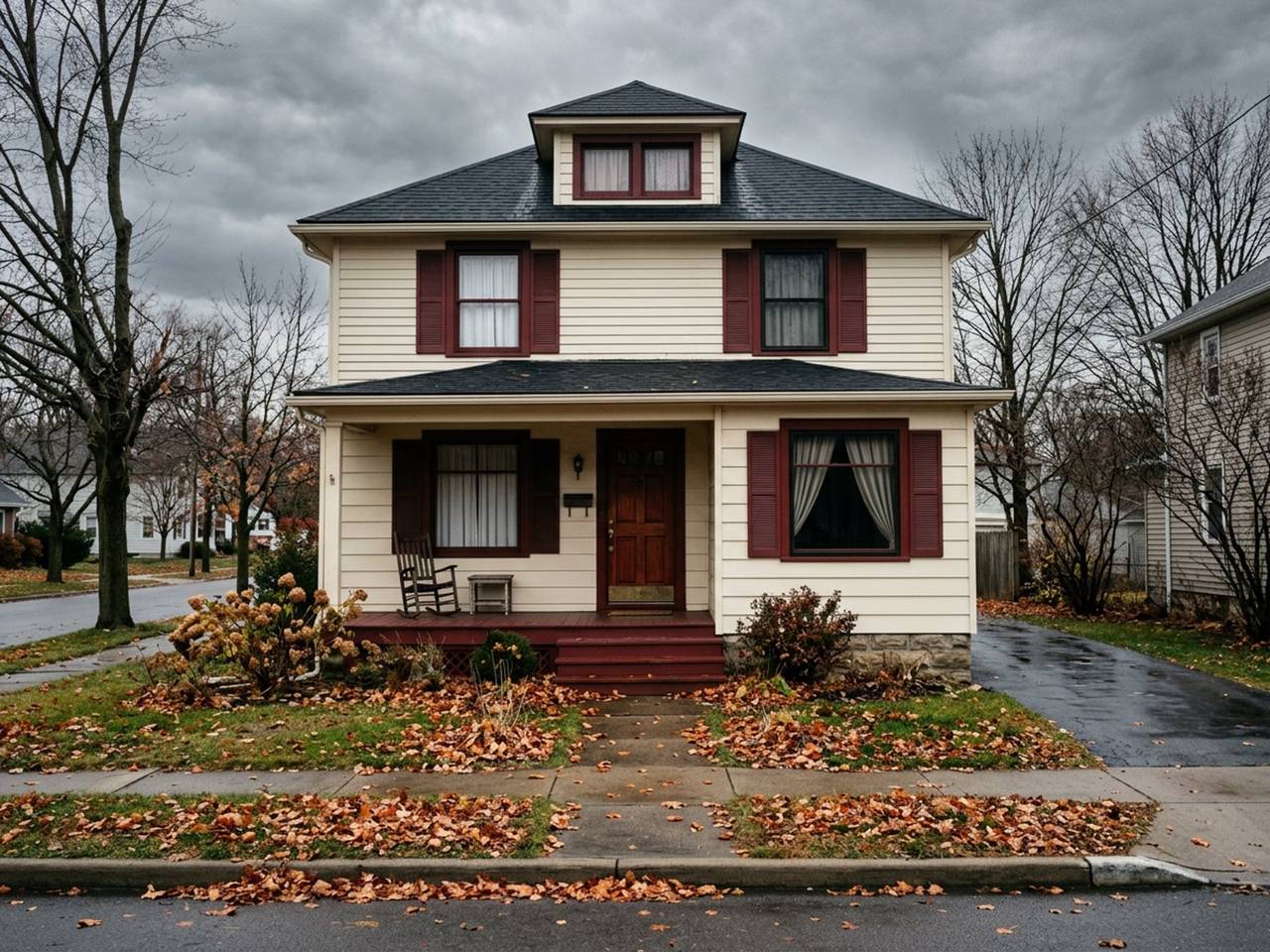
Foreclosure is the legal process a lender uses to take and sell a home after the owner breaks the mortgage terms, usually by missing payments. It follows six basic stages almost everywhere, but timing and rules change by state, so this lesson shows agents how to check the local rules instead of guessing how long a homeowner has.
The trouble is that people use the word for several different things. “Foreclosure” alone doesn’t tell you who owns the home, whether a sale happened or what options are left.
This guide shows you how to turn the word into clear facts you can act on.
The basics in plain words
- Default: a loan rule was broken. Missed payments are the common example.
- Collateral: property pledged to secure a debt. For a mortgage, it’s usually the home.
- Judicial foreclosure: goes through court.
- Nonjudicial foreclosure: goes forward without a lawsuit when state law and the loan papers allow it.
- REO: short for “real estate owned.” A home becomes REO if the lender or loan investor ends up owning it. A loan investor is the company that owns the loan.
The lender doesn’t become the owner because payments stopped or a notice arrived. It has to follow the legal process. Notices, filings, sale steps and rights after the sale vary by state.
The lender may never own the home at all. An outside buyer can buy it at the foreclosure sale.
What people say, and what to ask
Decode “foreclosure”
“We’re facing foreclosure.”
They might mean: They fear losing the home, maybe before any legal step
Ask: What’s happened with payments and notices?
“It’s in foreclosure.”
They might mean: A legal process has started, or a website used the label
Ask: What filing or event backs that up?
“It goes to foreclosure Friday.”
They might mean: A foreclosure sale is scheduled
Ask: Which sale, who runs it and is the date current?
“The bank foreclosed.”
They might mean: A sale happened or ownership changed
Ask: What do current sale and title records show?
“It’s a foreclosure listing.”
They might mean: A lender-owned resale, an owner’s listing or a data-site lead
Ask: Who owns it, and who has authority to sell?
Don’t correct people’s vocabulary. Ask the question that gets the facts.
Script for a homeowner: “When you say foreclosure, have you received a notice or court papers, or are you worried because you’ve fallen behind?”
Script for a buyer: “Are you looking at a scheduled foreclosure sale, a home the owner is trying to sell before that sale or a home the lender already owns?”
Five facts the word doesn’t tell you

1. Whether a legal process has started
An owner can be behind with no legal case filed. They may still say “foreclosure” because that’s what they fear.
For many mortgages on a borrower’s main home, a federal rule limits when foreclosure can start. The first required notice or filing generally can’t happen until the loan is more than 120 days past due. There are exceptions, and the rule doesn’t cover every loan.[2][3]
Don’t treat that as a reason to wait. Help and response deadlines need attention as soon as a problem starts. The federal rule also says nothing about what a state requires after foreclosure starts.
If an owner says, “I’m four payments behind,” write it down as what they told you. It isn’t a confirmed legal stage until you see the papers.
2. Which step a notice represents
A late-payment letter, a notice of default, a lawsuit and a notice of sale do different jobs. Similar names don’t make them the same.
For example, a lis pendens is a recorded notice that a lawsuit affects the property. It doesn’t tell you why the suit was filed or how it will end.
When you review a paper with a homeowner, log:
- Its title, date and sender
- Which loan or claim it’s about
- What it reports or asks for
- Any response deadline, hearing or sale date
- Who can confirm the current status
Organize the facts, and send legal questions to an attorney. Don’t guess a deadline because the paper looks like one from another state.
3. Whether a scheduled sale actually happened
A notice of sale names a planned event. It doesn’t prove the sale took place. Sales get postponed or canceled, and data sites fall behind.
Check with the office that runs the sale. Depending on the process, that could be the trustee, the sheriff, court records or another authorized office. Write down when you checked, because the answer can change.
“The owner sent in paperwork” and “the sale was postponed” are different statements. Don’t treat one as proof of the other.
4. Whether the owner’s rights are over
State law controls what happens after a foreclosure sale. A court may need to confirm the sale, or a deed may need to be delivered or recorded.
Some states give a right of redemption. That’s a legal right to get the home back by meeting set requirements, sometimes even after the sale. Minnesota’s attorney general, for example, describes a redemption period after the sale.[4] That rule doesn’t apply in every state. Check the law and the file.
Ownership and possession are different, too. Ownership is legal title. Possession is the right to live in or control the home. A sale result doesn’t give you permission to enter, change locks or tell anyone to leave. Check your authority, the legal rules and the client’s instructions first.
5. Whether there’s equity, or what the home is worth
Foreclosure tells you a debt is being enforced. It doesn’t tell you what the home is worth.
Fictional example: A home could sell for $400,000. The mortgage payoff is $280,000 and selling costs are $30,000, with nothing else owed. That leaves an estimated $90,000. The owner is in foreclosure and may still have equity. The numbers need checking, and the timeline matters. But this isn’t a short sale.
A short sale is when a lender agrees to take less than its full payoff so the home can sell. It’s one possible path when the money falls short. It isn’t another word for foreclosure. Don’t open a homeowner conversation with “you need a short sale.”
The label also doesn’t tell you the home’s condition or whether it’s a bargain. It doesn’t tell you whether a loan will work, whether an inspection is allowed or whether the title is clear. A low opening bid may just be where bidding starts, not the home’s value.
Three homes, three different situations

Picture three fictional homes on one street. A home-search website might call all three “foreclosures.”
- Home A: The owner is behind and a foreclosure is underway. The owner wants to sell, and the early numbers show equity. A normal sale may work. The bank doesn’t own this home.
- Home B: The foreclosure sale happened, and an outside investor won the bid. If the investor resells it later, that’s an investor sale, not a bank-owned listing.
- Home C: The lender took ownership through foreclosure and listed it with a broker. That’s REO. The buyer deals with the lender’s sale terms.
When a headline says foreclosures went up
Find out what was counted. New filings, scheduled auctions and completed lender takebacks are different events. One home can have several filings, so a count of documents isn’t a count of homes.
Check the area, the time period and the source’s definition. Then say what the report actually measured. For example, say “This report measures new foreclosure starts,” not “The banks took back this many houses.”
Describe every file in one sentence
Use this template instead of “It’s a foreclosure”:
Who owns it + what legal step has happened + the next date and whether it’s verified
Examples:
- “The owner still holds title, a foreclosure case is underway and a sale is set for a date we’re verifying with the sale authority.”
- “The lender now owns the property and is accepting offers through its listing agent.”
Mark anything you don’t know as unknown until you have proof.
If a homeowner has legal papers or a sale date coming up, connect them quickly with a local attorney. A HUD-approved housing counselor can help them look at mortgage-help options.
General U.S. education. Foreclosure rules vary by state. State law, the type of claim and the specific file control foreclosure steps, ownership, redemption and possession. Check with local professionals.
Sources: [1] CFPB: How does foreclosure work? [2] CFPB: Regulation X, 1024.41. [3] CFPB: Regulation X, 1024.30. [4] Minnesota Attorney General: Facing mortgage foreclosure. CFPB: Find a housing counselor.
Questions about a property you’re looking at?
Ask our teamKW Default Solutions team. Educational resource, not legal or financial advice.